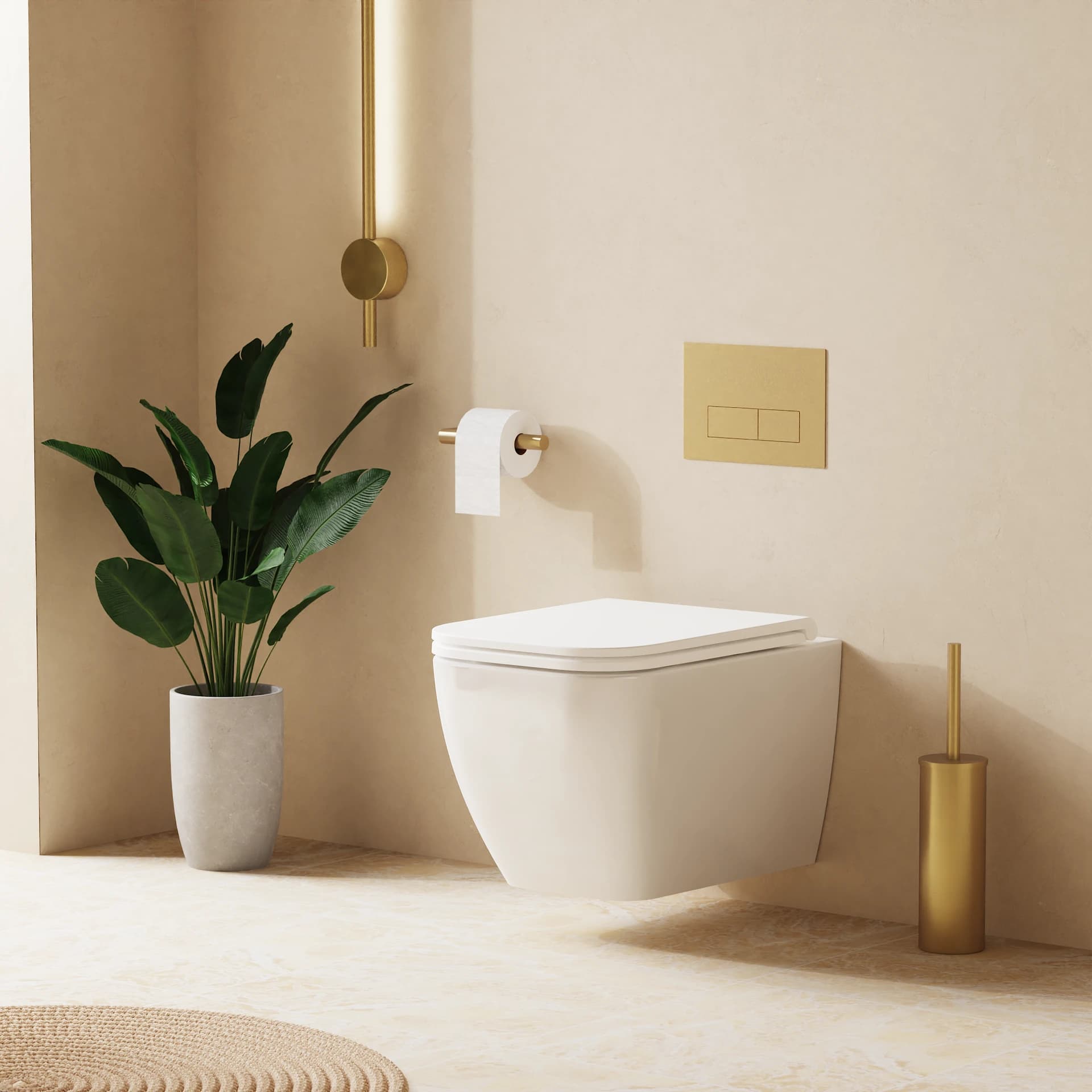
Ask what is behind the visible pan
Start with a component list. It should identify the selected pan and seat, the proposed installation system and cistern, the flush control, and any other parts needed for the agreed arrangement. Ask the supplier or installer to identify what is included in each package and what is a separate item.
Geberit’s information on prewall installation distinguishes installation elements and concealed cistern components. The practical lesson for a customer is to compare a complete proposal rather than assume that a photograph of a wall-hung pan includes everything behind it.
Record the person responsible for checking compatibility across the whole combination. This is especially useful if products and installation come from different suppliers. An attractive product price cannot be compared fairly with a quote that includes the concealed system and associated work.
| Part of the proposal | Question to settle |
|---|---|
| Pan and seat | Which exact models are included? |
| Installation system | Who selects and checks it for the actual location? |
| Cistern | What model and system are specified? |
| Flush plate | Is this exact plate compatible with that cistern? |
| Finished wall and access | How will the arrangement be finished and serviced? |
| Optional functions | What additional parts or professional coordination are required? |
Choose the flush plate within the correct system
A similar size or appearance does not establish compatibility. Geberit’s compatibility guide explains that its Sigma and Omega plates belong to different cistern systems; the plate must match the relevant system. It also directs customers to a sanitary professional when identifying an existing concealed cistern.
For a new proposal, ask for the cistern reference before finalising a plate finish. For a replacement, provide any existing paperwork and let the appropriate professional identify what is installed. Avoid buying a plate solely from a front-view photograph.
Write the matching references together on the order. If one component is substituted, ask for confirmation of the revised combination. Do not treat a colour match or shared brand name as the whole compatibility check.
Review the completed room, including the concealed parts
Ask the designer to show the intended finished wall and pan position on the plan. Discuss the relationship with the door, basin, shower and any storage or ledge. The outline of the visible pan alone is not the complete proposal for the room.
Explain who will use the bathroom and any practical support or access needs. The installer or designer should review the appropriate arrangement; a universal mounting height or clearance taken from a different project is not a substitute for that conversation.
Keep the assessment of the existing building with the competent installer and relevant designer. This guide does not specify fixings, wall construction or load capacity. Where those details remain unknown, mark the order as awaiting confirmation rather than assuming a system will fit.
Make future servicing part of the decision
Geberit describes access to its concealed cisterns through the service opening at the actuator plate. That is a specific system feature worth discussing with the installer; it is not a promise that every concealed component in any bathroom can be reached in the same way.
Ask the installer to explain the planned service route for the exact system. Have them point out anything that must remain accessible and how the selected finishes or furniture relate to it. Save the model details and instructions rather than relying on memory after the wall is finished.
If the design includes an electronic function or a shower toilet, introduce that requirement before products are ordered. Ask the appropriate professionals to confirm the complete requirements. Do not add electrical or water connections on the assumption that an ordinary concealed-cistern proposal already covers them.
A quote comparison that exposes missing items
Imagine two illustrative quotes. Quote A says “wall-hung toilet and seat”. Quote B separately lists the pan, seat, installation system, cistern, plate and associated installation work. The different totals cannot tell you which offers better value until the scope of A is clarified.
Send the component table to both suppliers and ask them to mark included, excluded or awaiting confirmation. If A proves to be a product-only price, compare its complete installed proposal with B instead of filling the gaps with guessed allowances.
This exercise is also useful when you want to change a visible finish. A preferred plate may lead to a different system choice, so make the change visible before concealed work or purchasing is committed.
Keep the decisions available after installation
At handover, ask for the relevant product references, instructions and care guidance, plus the agreed service contact. Have normal operation demonstrated and record any unresolved issue. This is a customer handover task, not a substitute for the installer’s required checks.
A clear record means a future question starts with the correct pan, cistern and plate rather than a photograph and a guess. Add the information to the bathroom’s wider handover file and keep any agreed warranty terms with it.
For a detailed plan, record the finished frame and boxing depth, the cistern service route and the compatible flush plate. When comparing ceramics, distinguish rimless bowl geometry from matched-system flushing evidence.
Sources & further reading
- Geberit — flush plate and cistern compatibility ↗
- Geberit — installation and flushing systems, including service access ↗
Prepared with AI assistance from the linked sources and Elegant Haven’s published service information. This guide helps you prepare decisions; product suitability and installation details need confirmation for your own room. It is not a record of a completed Elegant Haven installation or an expert sign-off.