Name the part you need
A loose seat may involve its mounting, hinge mechanism or another component; the symptom does not identify a replacement part. First record whether you want a complete seat, a fixing kit, a hinge, a buffer or advice on an existing problem. A photograph and the seat code make that request much clearer.
Croydex's Constance specification lists top or bottom fixing alongside quick release and soft close. Those are separate features on that particular product. A seat can have one without all the others, so do not use a feature badge as evidence of the complete fixing arrangement.
Look at the pan around the hinge area
From outside, note whether there is an accessible underside beneath the seat fixings or whether the pan's sides enclose it. Avoid putting a hand into a blind or restricted gap. A supplier or installer can confirm the intended fitting route from the exact product drawing.
Also inspect what happens above the pan. A close wall, cistern lid or shelf may limit the movement needed to release the seat, lift it clear or reach a hinge cover. The seat measurement card should include rear clearance as well as the hole spacing.
| Question | Useful evidence |
|---|---|
| Which seat is installed? | Code, invoice or identifiable photographs |
| Where can fixings be reached? | Visible underside or manufacturer-confirmed top access |
| How does the seat release? | Exact instructions or a supplier demonstration |
| What needs replacing? | Part description and compatible part number |
| What blocks removal? | Wall, shelf, cistern or furniture clearance |
Check replacement parts as a system
Similar-looking hinge covers can hide different pins, mounting plates and mechanisms. Ask whether the proposed kit is listed for the seat model and whether it includes every necessary part. Mixing a new hinge with an unidentified old fixing may leave the original compatibility question unresolved.
If the exact part is no longer available, ask the supplier to explain the complete compatible alternative. Keep the soft-close and release demonstration on the checklist rather than assuming the replacement will operate like the old seat. Do not force a mechanism or treat a loose fitting as an invitation to overtighten it.
Make future access easier to explain
At handover, ask to see the permitted release and refitting action for the installed seat and keep its instructions. Record the part number where it can be found again. A short note saying which component releases and which stays fixed is useful when another household member needs to clean it.
For a concealed toilet arrangement, keep seat maintenance distinct from cistern service access. Both routes need to remain usable after the room is finished. Take unresolved access questions to your appointment before choosing furniture or shelves that could block them.
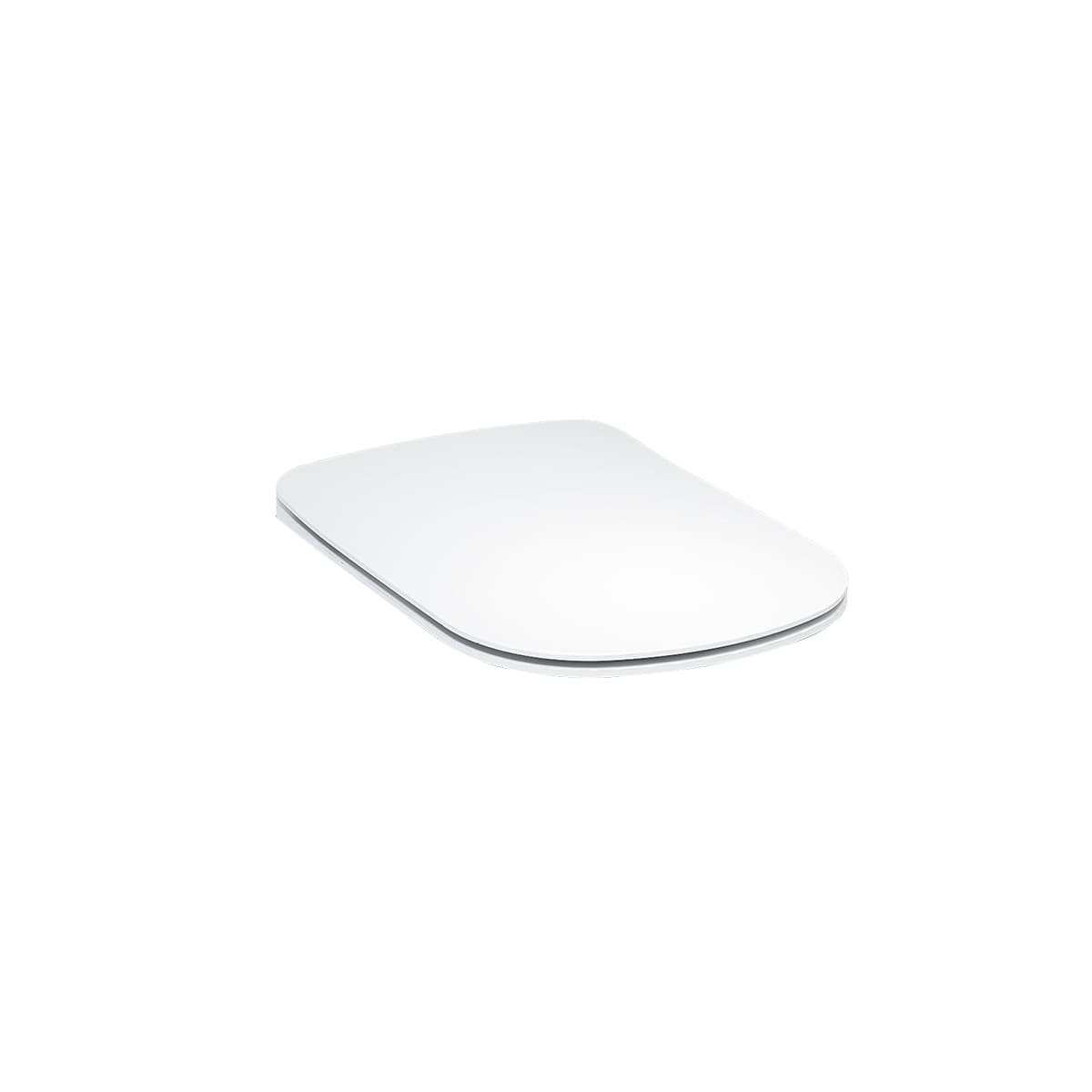
The supplier image is from the Liberty Soft Close, Quick Release Duraplus Seat listing. Check the exact specification, included parts and available showroom examples before choosing. The illustration is not an Elegant Haven installation or proof of suitability for your room.
Sources & further reading
- Croydex: Constance seat dimensions, fixings and care ↗
- Crosswater: Kai back-to-wall toilet and seat ↗
Prepared with AI assistance from the linked sources and Elegant Haven’s published service information. This guide helps you prepare decisions; product suitability and installation details need confirmation for your own room. It is not a record of a completed Elegant Haven installation or an expert sign-off.