Identify both parts of the flushing system
Ask for the full pan code and the cistern or frame/cistern code. A pan listing may state a compatible flush volume while leaving the cistern as a separate purchase. Crosswater's Glide II example does this: the page identifies the pan and seat components and a matched flush specification, while the frame and cistern remain separate.
Save the relevant document or supplier confirmation with the codes. If two sources conflict, ask the manufacturer or supplier to resolve the difference for the current product generation. Do not choose the lower number simply because it gives a more attractive water estimate.
Keep the meaning of each number visible
Record full flush and reduced flush in litres per operation. Do not confuse litres per flush with flow rate in litres per minute, tank capacity or a model's name. If a single-flush toilet is being considered, record that fact instead of inventing a reduced setting.
Geberit's lower-flush-volume guidance discusses matching the flushing arrangement to particular ceramics. This is a reason to check compatibility, not a generic adjustment instruction. The rimless comparison guide explains why bowl geometry alone cannot settle the complete system's performance.
| Evidence field | What to record |
|---|---|
| Pan and cistern | Exact codes and compatible pairing |
| Full flush | Litres per flush and source |
| Reduced flush | Litres per flush, or single-flush arrangement |
| Operating setting | Confirmed installed value; unconfirmed until handover if necessary |
| Source date | Document revision or dated supplier confirmation |
Use verified values in a transparent model
The toilet water-use calculator multiplies the volumes by the household's entered full and reduced flush counts. It assumes the same routine for each system. That lets you examine the effect of the volume pair without hiding a change in behaviour inside the comparison.
If volumes are unknown, leave the comparison unresolved. Do not replace missing information with zero or a remembered typical value. A visibly labelled illustration is useful for understanding arithmetic, but it is not an estimate for an unidentified toilet.
Close the evidence gap after installation
Ask the installer to record the actual commissioned full and reduced volumes where applicable and to explain the correct controls. Keep those details with the care instructions and product codes. A change in a component or approved setting should be reflected in that record.
A model based on intended flushes cannot account for unplanned continuous flow. If water seems to keep running, use the observation report for a repair visit and seek appropriate help. Waterwise's conservation guidance is a useful reminder that reducing intended use and addressing waste are related but different tasks.
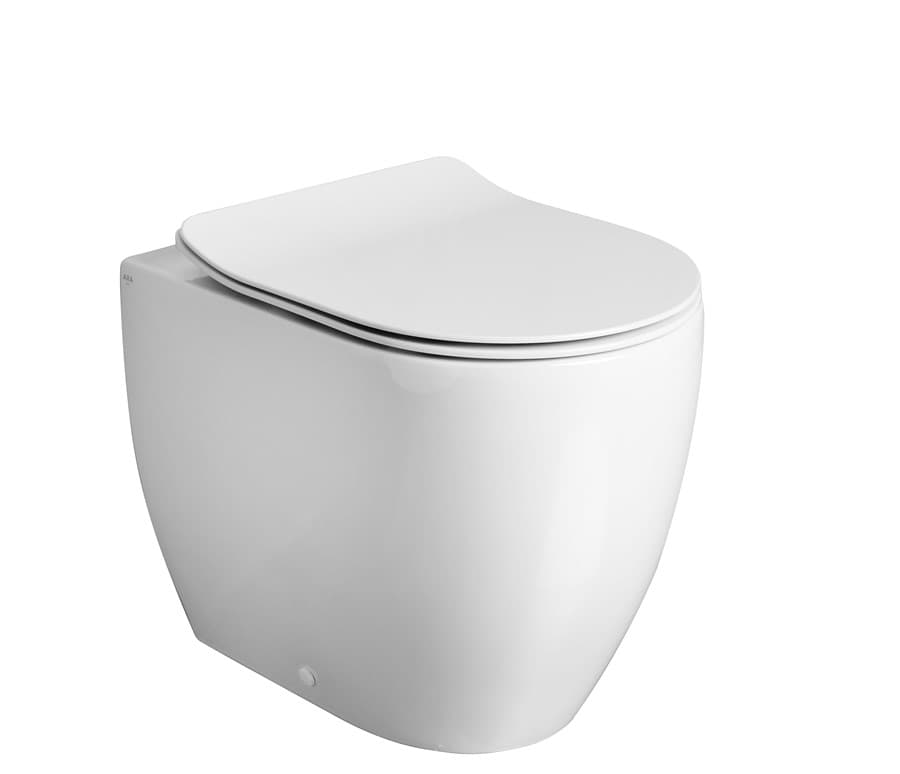
The supplier image is from the Glide II Gloss White Back to Wall Rimless Toilet & Soft Close Seat listing. Check the exact specification, included parts and available showroom examples before choosing. The illustration is not an Elegant Haven installation or proof of suitability for your room.
Sources & further reading
- Geberit: low flush volumes and matching ceramics ↗
- Crosswater: Glide II short projection model and components ↗
- Waterwise: water-saving guidance ↗
Prepared with AI assistance from the linked sources and Elegant Haven’s published service information. This guide helps you prepare decisions; product suitability and installation details need confirmation for your own room. It is not a record of a completed Elegant Haven installation or an expert sign-off.