Build one scope sheet for both proposals
List the work you want done in plain language: which products are replaced, whether the layout changes and which surfaces are included. Use that list as the common reference for each quotation. If one proposal includes a new floor finish and the other does not, the difference should be visible before you compare prices.
Give each product a row with its manufacturer, range, code, size, finish and quantity. Products described only as “similar” or “standard” need clarification. The same brand name can cover very different configurations, and an attractive image does not establish what is included.
Keep the current drawing with the comparison. A quote for a different layout may be perfectly valid, but it is a different option. Ask the supplier or installer to state the relevant drawing version.
Mark every line as included, excluded or unconfirmed
Use three states instead of assuming silence means included. A blank row is an unanswered question. Avoid giving a missing item a guessed price merely to make the spreadsheet total look complete.
| Compare | What to request | Why it changes the decision |
|---|---|---|
| Products | Exact codes, variants, quantities and accessories | Checks whether the same goods are being compared |
| Preparation | Named areas and assumptions about existing surfaces | Shows which underlying work is allowed for |
| Installation | Named tasks, connections and finishing responsibilities | Separates fitting from supply |
| Delivery and removal | Charges, access assumptions and disposal scope | Captures items outside a product price |
| Amounts | Tax treatment, allowances, validity and payment stages | Shows how the proposed total is constructed |
A comparison example without made-up market prices
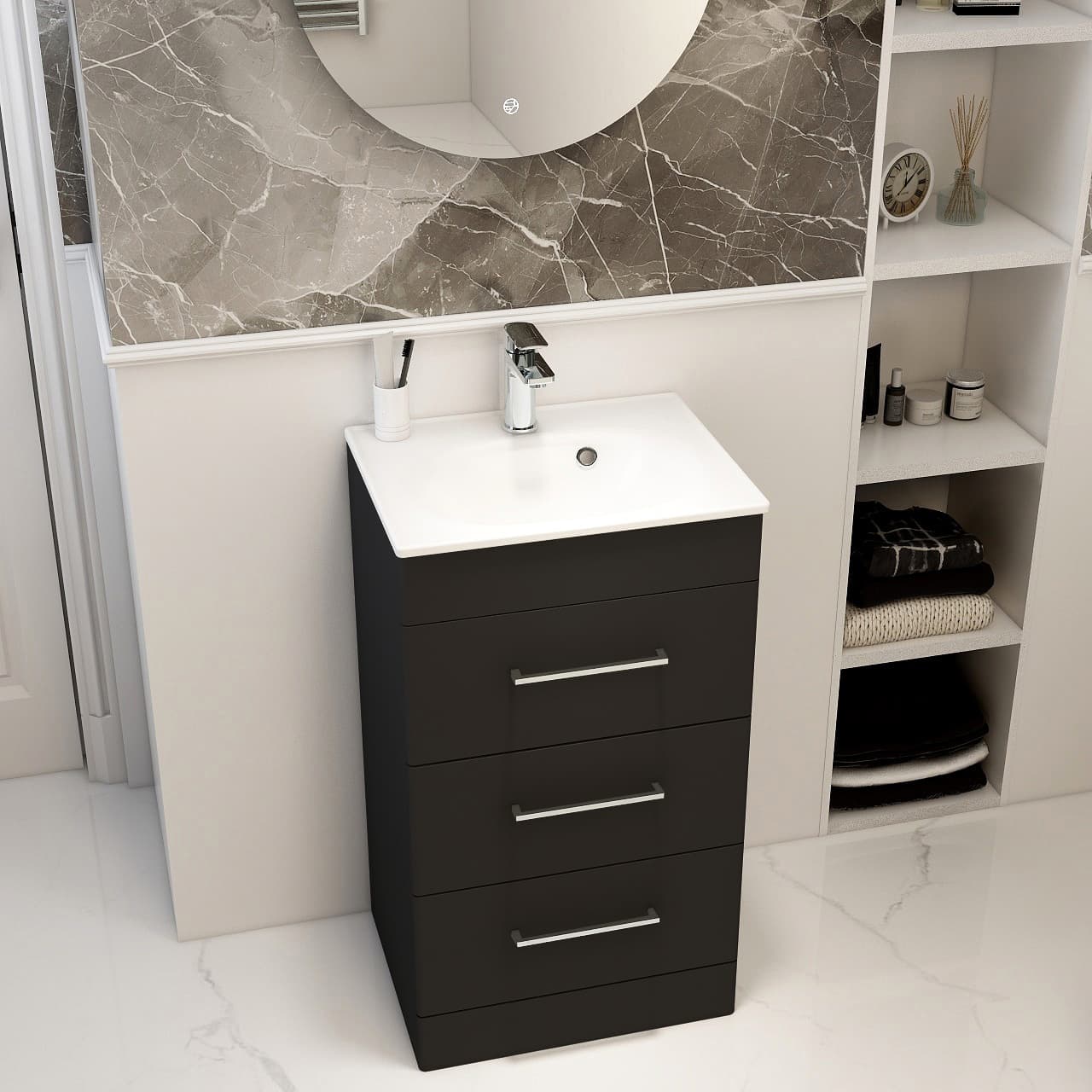
Imagine Quote A names the vanity unit but leaves the basin tap as an allowance. Quote B names both the vanity and the exact tap. The useful question is not which total is smaller: first ask what happens if the chosen tap differs from the allowance and whether the accessories and fitting are included in both.
Next imagine that A includes preparation “as required”, while B lists a particular surface treatment. Ask A to explain the limit of that phrase and B to explain the assumptions behind its specified work. Neither phrase alone tells you what will happen if concealed conditions differ.
This exercise is about revealing uncertainty. It does not establish that a more detailed document is automatically the better installation, or that one provider is obliged to match another provider’s scope.
Ask how changes will be agreed
Discuss what happens if a product becomes unavailable, you change a finish or a site check reveals additional work. Ask who provides the revised description and price, how you approve it and what happens to the programme. Keep the original and revised versions together.
A payment schedule should be understandable alongside the stages and goods it relates to. If the wording is unclear, ask for an explanation before agreeing. This guide is a comparison method, not advice on accepting a particular contract.
Use the budget breakdown to separate known amounts from unpriced items, and the supply responsibilities guide to check who handles each part.
Take the differences to the appointment
Bring the two documents, your scope sheet and the five most important unanswered questions. Ask for explanations against the exact rows rather than asking for a generic discount. A useful discussion may identify a different product option, a clearer division of work or a necessary site check.
The decision is ready when you can explain what you are buying, what remains outside the agreement and which uncertainties still need resolving. Keep the final comparison for reference when orders and delivery dates are confirmed.
Sources & further reading
Prepared with AI assistance from the linked sources and Elegant Haven’s published service information. This guide helps you prepare decisions; product suitability and installation details need confirmation for your own room. It is not a record of a completed Elegant Haven installation or an expert sign-off.